About The Line Between

The Line Between is a consulting studio focused on the emotional and psychological realities of modern work.

I help leaders and organizations make sense of burnout, identity strain, grief, and the unseen labor that shapes culture, performance, and retention.


The Way We Help

Sustainable performance depends less on motivation and more on whether people have space to think, reflect, and recover inside the systems they work within.
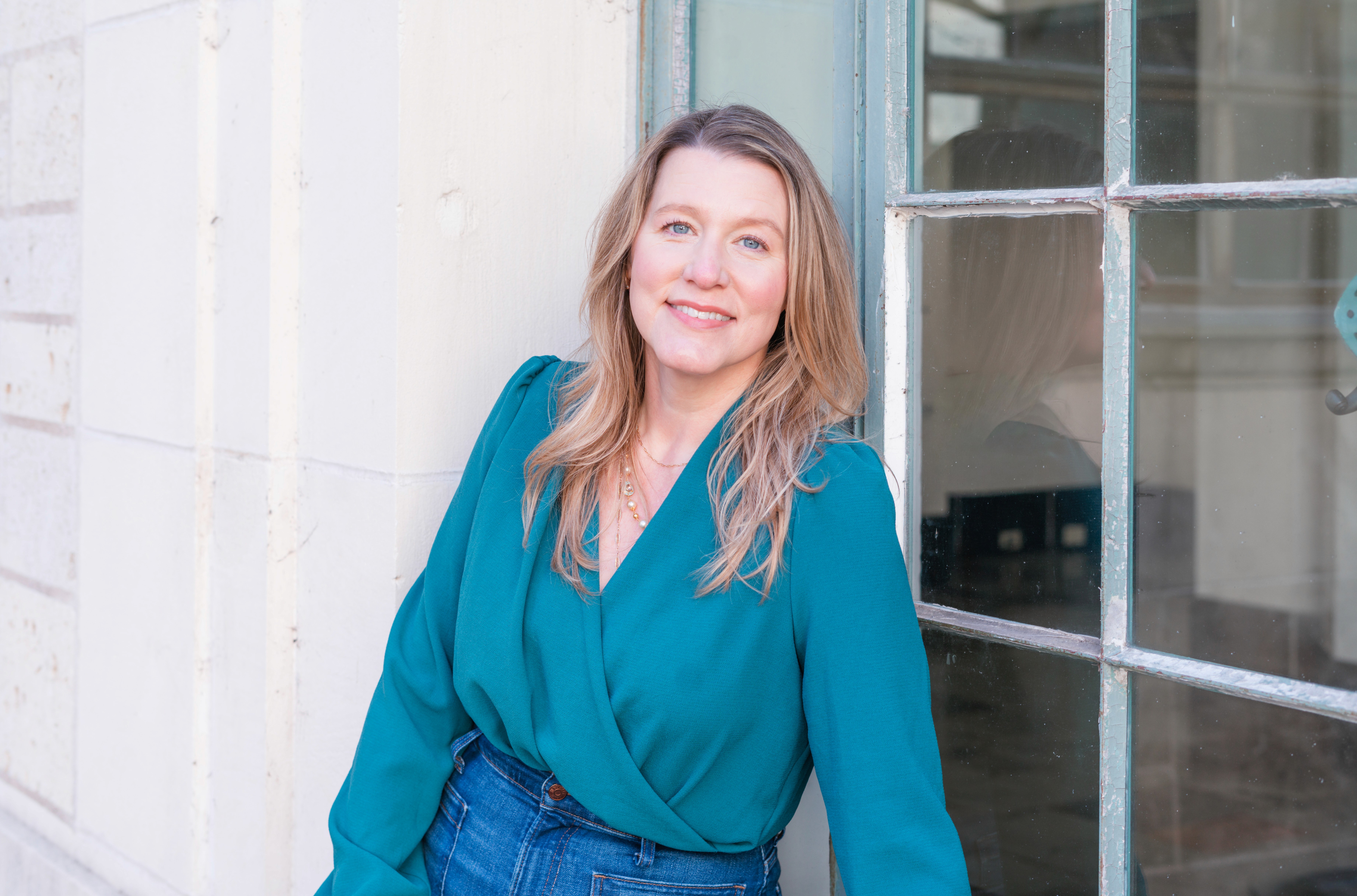
Meet Cheryl

I'm Cheryl Walpole Tiku.


I started my career in product development at Ralph Lauren — inside a system that moved fast, demanded precision, and treated people as interchangeable with the roles they filled. I was good at the work. But I kept noticing what the work was doing to the people around me.


That observation changed the direction of my life.


I left corporate, trained at Pratt Institute, and became a licensed clinician. I spent the next seventeen years inside high-pressure systems — Bellevue Hospital, private practice in New York, and international fieldwork in Jordan, working with children displaced by the conflicts in Syria and Iraq.


The settings changed. The pattern didn't.


In private practice, my clients were founders, operators, and leaders across technology, law, and financial services. Session after session, the same thing surfaced: the problem was rarely the person. It was the architecture around them — the unexamined emotional load, the invisible friction, the performance costs that never showed up on a survey but always showed up in turnover.


I realized the diagnostic skills I'd spent nearly two decades building — reading what people can't yet articulate, seeing strain before it becomes crisis — were exactly what organizations needed and didn't have.


So I built a methodology around it.


The Line Between Method is a proprietary visual leadership methodology grounded in organizational psychology and leadership performance research. It uses structured nonverbal processes to surface what talk-based consulting misses: the dynamics that degrade leadership capacity, team coherence, and decision quality from the inside out.


Most consultants start with the org chart. I start with what the org is doing to its people.


I hold clinical licenses as an LPC, LCAT, LPAT, and ATR-BC across New York, New Jersey, and Texas. I'm a Fulbright Specialist, a guest lecturer, and the editor and contributing author of The Business of Art Therapy (Routledge, 2026), available for preorder June 1.


I'm based in Austin, with deep roots in New York.


If your organization is showing you something and you're not sure what, let's take a look.

Burnout is rarely a failure of resilience. It is more often a signal that a system is asking for more than it can sustain.

High performers often exceed their capacity long before they exceed their capability.

Where Clinical Expertise Meets Organizational Design

I help organizations address the human dynamics beneath performance. The leadership strain, emotional labor, and capacity limits that shape outcomes but live beneath language.
Prefer to chat first? Send an email or connect on social — always happy to help.

Prefer to chat first? Send an email or connect on social — always happy to help.

Not everything shaping performance can be solved through conversation. Some insight emerges only when we step outside language.

Frequently Asked Questions

What organizations often ask before engaging this work?

Is this therapy or coaching?

No. The Line Between offers organizational consulting, workshops, and advisory work. While the work is psychologically informed, it is not therapy, clinical treatment, or coaching. Sessions are designed for professional environments and focus on insight, reflection, and organizational awareness.

Is this therapy or coaching?

No. The Line Between offers organizational consulting, workshops, and advisory work. While the work is psychologically informed, it is not therapy, clinical treatment, or coaching. Sessions are designed for professional environments and focus on insight, reflection, and organizational awareness.

What does “creative, nonverbal work” mean in a professional setting?

What does “creative, nonverbal work” mean in a professional setting?

Creative, nonverbal work uses structured visual and reflective processes to explore experiences that are often difficult to articulate verbally, such as burnout, pressure, or role strain. These methods support insight without requiring emotional disclosure and are used as thinking tools, not expressive therapy.

Is this appropriate for corporate and academic environments?

Is this appropriate for corporate and academic environments?

Yes. All workshops are designed specifically for corporate, academic, and professional settings. The work is structured, facilitated, and contained, with clear objectives and boundaries that align with organizational norms and expectations.

Do participants have to share personal information or experiences?

Do participants have to share personal information or experiences?

No. Personal sharing is never required. Participation focuses on individual reflection and optional discussion at a level appropriate for the group. The emphasis is on insight and awareness, not personal storytelling.

What if employees are skeptical or uncomfortable with creative methods?

What if employees are skeptical or uncomfortable with creative methods?

Skepticism is common and expected. Workshops are framed clearly at the outset, with an emphasis on purpose and relevance. Participants are guided through accessible processes that do not require artistic skill or emotional exposure, allowing engagement without pressure.

What does a typical in-person workshop look like?

What does a typical in-person workshop look like?

Workshops include brief framing, guided creative exercises using simple materials, individual reflection, and optional group discussion. Sessions are structured, time-bound, and designed to integrate insights into leadership, team, or organizational contexts.

Do participants need any artistic skill or experience?

Do participants need any artistic skill or experience?

No. No artistic skill, talent, or prior experience is required. Creative processes are intentionally simple and accessible, with the focus on reflection and awareness rather than aesthetics or outcomes.

What outcomes should organizations expect from this work?

What outcomes should organizations expect from this work?

Organizations often report greater clarity around burnout and capacity, improved language for discussing strain and emotional labor, more grounded leadership conversations, and renewed cognitive and creative flexibility within teams.

How is this different from traditional burnout or leadership training?

How is this different from traditional burnout or leadership training?

Traditional trainings rely primarily on discussion and cognitive frameworks. The Line Between integrates nonverbal methods to surface insight that often remains inaccessible through conversation alone, particularly for high performers and leaders who tend to intellectualize stress.

Can workshops be customized for our organization or team?

Can workshops be customized for our organization or team?

Yes. All engagements are tailored to the organization’s goals, culture, and context. Customization may include focus areas, group size, duration, and integration with existing leadership, wellbeing, or learning initiatives.

Frequently Asked Questions

What organizations often ask before engaging this work?

Is this therapy or coaching?

No. The Line Between offers organizational consulting, workshops, and advisory work. While the work is psychologically informed, it is not therapy, clinical treatment, or coaching. Sessions are designed for professional environments and focus on insight, reflection, and organizational awareness.

Is this therapy or coaching?

No. The Line Between offers organizational consulting, workshops, and advisory work. While the work is psychologically informed, it is not therapy, clinical treatment, or coaching. Sessions are designed for professional environments and focus on insight, reflection, and organizational awareness.

What does “creative, nonverbal work” mean in a professional setting?

What does “creative, nonverbal work” mean in a professional setting?

Creative, nonverbal work uses structured visual and reflective processes to explore experiences that are often difficult to articulate verbally, such as burnout, pressure, or role strain. These methods support insight without requiring emotional disclosure and are used as thinking tools, not expressive therapy.

Is this appropriate for corporate and academic environments?

Is this appropriate for corporate and academic environments?

Yes. All workshops are designed specifically for corporate, academic, and professional settings. The work is structured, facilitated, and contained, with clear objectives and boundaries that align with organizational norms and expectations.

Do participants have to share personal information or experiences?

Do participants have to share personal information or experiences?

No. Personal sharing is never required. Participation focuses on individual reflection and optional discussion at a level appropriate for the group. The emphasis is on insight and awareness, not personal storytelling.

What if employees are skeptical or uncomfortable with creative methods?

What if employees are skeptical or uncomfortable with creative methods?

Skepticism is common and expected. Workshops are framed clearly at the outset, with an emphasis on purpose and relevance. Participants are guided through accessible processes that do not require artistic skill or emotional exposure, allowing engagement without pressure.

What does a typical in-person workshop look like?

What does a typical in-person workshop look like?

Workshops include brief framing, guided creative exercises using simple materials, individual reflection, and optional group discussion. Sessions are structured, time-bound, and designed to integrate insights into leadership, team, or organizational contexts.

Do participants need any artistic skill or experience?

Do participants need any artistic skill or experience?

No. No artistic skill, talent, or prior experience is required. Creative processes are intentionally simple and accessible, with the focus on reflection and awareness rather than aesthetics or outcomes.

What outcomes should organizations expect from this work?

What outcomes should organizations expect from this work?

Organizations often report greater clarity around burnout and capacity, improved language for discussing strain and emotional labor, more grounded leadership conversations, and renewed cognitive and creative flexibility within teams.

How is this different from traditional burnout or leadership training?

How is this different from traditional burnout or leadership training?

Traditional trainings rely primarily on discussion and cognitive frameworks. The Line Between integrates nonverbal methods to surface insight that often remains inaccessible through conversation alone, particularly for high performers and leaders who tend to intellectualize stress.

Can workshops be customized for our organization or team?

Can workshops be customized for our organization or team?

Yes. All engagements are tailored to the organization’s goals, culture, and context. Customization may include focus areas, group size, duration, and integration with existing leadership, wellbeing, or learning initiatives.

Frequently Asked Questions

What organizations often ask before engaging this work?

Is this therapy or coaching?

No. The Line Between offers organizational consulting, workshops, and advisory work. While the work is psychologically informed, it is not therapy, clinical treatment, or coaching. Sessions are designed for professional environments and focus on insight, reflection, and organizational awareness.

Is this therapy or coaching?

No. The Line Between offers organizational consulting, workshops, and advisory work. While the work is psychologically informed, it is not therapy, clinical treatment, or coaching. Sessions are designed for professional environments and focus on insight, reflection, and organizational awareness.

What does “creative, nonverbal work” mean in a professional setting?

What does “creative, nonverbal work” mean in a professional setting?

Creative, nonverbal work uses structured visual and reflective processes to explore experiences that are often difficult to articulate verbally, such as burnout, pressure, or role strain. These methods support insight without requiring emotional disclosure and are used as thinking tools, not expressive therapy.

Is this appropriate for corporate and academic environments?

Is this appropriate for corporate and academic environments?

Yes. All workshops are designed specifically for corporate, academic, and professional settings. The work is structured, facilitated, and contained, with clear objectives and boundaries that align with organizational norms and expectations.

Do participants have to share personal information or experiences?

Do participants have to share personal information or experiences?

No. Personal sharing is never required. Participation focuses on individual reflection and optional discussion at a level appropriate for the group. The emphasis is on insight and awareness, not personal storytelling.

What if employees are skeptical or uncomfortable with creative methods?

What if employees are skeptical or uncomfortable with creative methods?

Skepticism is common and expected. Workshops are framed clearly at the outset, with an emphasis on purpose and relevance. Participants are guided through accessible processes that do not require artistic skill or emotional exposure, allowing engagement without pressure.

What does a typical in-person workshop look like?

What does a typical in-person workshop look like?

Workshops include brief framing, guided creative exercises using simple materials, individual reflection, and optional group discussion. Sessions are structured, time-bound, and designed to integrate insights into leadership, team, or organizational contexts.

Do participants need any artistic skill or experience?

Do participants need any artistic skill or experience?

No. No artistic skill, talent, or prior experience is required. Creative processes are intentionally simple and accessible, with the focus on reflection and awareness rather than aesthetics or outcomes.

What outcomes should organizations expect from this work?

What outcomes should organizations expect from this work?

Organizations often report greater clarity around burnout and capacity, improved language for discussing strain and emotional labor, more grounded leadership conversations, and renewed cognitive and creative flexibility within teams.

How is this different from traditional burnout or leadership training?

How is this different from traditional burnout or leadership training?

Traditional trainings rely primarily on discussion and cognitive frameworks. The Line Between integrates nonverbal methods to surface insight that often remains inaccessible through conversation alone, particularly for high performers and leaders who tend to intellectualize stress.

Can workshops be customized for our organization or team?

Can workshops be customized for our organization or team?

Yes. All engagements are tailored to the organization’s goals, culture, and context. Customization may include focus areas, group size, duration, and integration with existing leadership, wellbeing, or learning initiatives.

ClearPath

Join The
Newsletter.

Monthly insights on organizational capacity, leadership strain, and building sustainable work cultures. Designed for HR leaders, founders, and teams navigating high-pressure environments. One email per month. Unsubscribe anytime.

Copyright 2026 thelinebetween. All rights reserved.